Sexual Harassment
Searching for an ny sexual harassment lawyer? Learn New York’s broader protections, filing deadlines, where to file (EEOC, NYSDHR, NYC Commission), how to preserve digital evidence, prove retaliation, and choose experienced local counsel. Get practical steps for documenting texts, witnesses, and surveillance, plus negotiation, mediation, and litigation strategies to protect your job and maximize recovery.

Estimated reading time: 17 minutes
Key Takeaways
If you’re searching for an ny sexual harassment lawyer, New York law often gives you broader protections and longer filing windows than federal law, but strict deadlines still apply.
Document everything: preserve texts, emails, apps, badge logs, calendars, screenshots, and witness names. Digital evidence can make or break a case.
File options include the EEOC, the New York State Division of Human Rights, and the NYC Commission on Human Rights. Some paths have mediation programs that can resolve cases sooner.
Under the NYCHRL, harassment can be unlawful even without “severe or pervasive” conduct; the standard is more employee‑friendly than Title VII.
Many NYC and New York State firms focus on harassment cases—use independent directories and published resources to vet experience before you hire.
Retaliation is illegal. Continue documenting after you report, and consider early legal advice to safeguard your job and claim value.
Table of Contents
Introduction
Understanding New York Sexual Harassment Law
Types of Sexual Harassment
Coverage in New York
Reporting Duties and Policies
Deadlines and Where to File in New York
Evidence and Documentation
Digital Evidence and Preservation
Witnesses and Patterns
Medical and Therapy Records
Recording and Surveillance Video
Choosing the Right NY Sexual Harassment Lawyer
Vetting Experience and Fit
Local NYC Knowledge Matters
Where to Search and Verify
Case Path: From Complaint to Lawsuit
Internal Reporting and Safety Plans
Agency Filings and Mediation
Settlement Negotiations
Litigation and Trial Timeline
Damages and Remedies in NY Cases
NYSHRL and NYCHRL Remedies
Punitive and Compensatory Damages
Injunctive Relief and Policy Change
Confidentiality and NDAs
Common NYC Workplace Scenarios
Industries and Risk Patterns
Interns, Gig Workers, and Contractors
Remote, Hybrid, and Digital Harassment
Protecting Against Retaliation
Anti‑Retaliation Rights in NY
Documenting and Proving Retaliation
Fees and Consultations in NY
Contingency Fees and Costs
Fee‑Shifting and Expenses
What to Expect in a Free Consultation
Conclusion
FAQ
What does an NY sexual harassment lawyer do?
What are the deadlines to file in NY?
Do I have to report to HR first?
Can my employer force arbitration?
What if the harasser is a customer or vendor?
Introduction
If you’re looking for an ny sexual harassment lawyer, you’re already doing something important: taking back control. New York provides some of the strongest workplace harassment protections in the country, but deadlines are short and evidence disappears quickly.
This guide explains your New York rights in plain English, how to preserve proof, where to file, what damages you can recover, and how to choose the right advocate for your situation. It’s written for workers in NYC and across the state who want clear, practical steps.
We’ll also point to independent directories and published firm resources you can use while you evaluate potential counsel. These are not endorsements—just examples you can review to compare experience and strategies.
Understanding New York Sexual Harassment Law
New York law prohibits sexual harassment at work under both state and city laws. At the federal level, Title VII also bars sex‑based harassment for covered employers.
New York’s legal standard is broader than federal law. That means conduct that might not meet the federal “severe or pervasive” threshold can still be unlawful under New York City’s human rights law.
This matters when you evaluate your options. Choosing where to file can affect the standard, the process, and your potential remedies.
Types of Sexual Harassment
Quid pro quo harassment happens when a supervisor links job benefits to sex or romantic cooperation. Hostile work environment harassment involves unwelcome conduct—comments, messages, images, gestures, or physical contact—that makes work intimidating or abusive.
Digital misconduct counts. Texts, DMs, memes, or even a shared meme like a sexual harassment “panda” GIF can be evidence of a hostile environment when tied to work.
If you’re unsure whether conduct crosses the line, compare it to common hostile work environment examples and tests used by courts and agencies.
Coverage in New York
New York’s protections reach most workers, including many small workplaces, interns, and contractors, with broader coverage than federal law. NYC’s law is especially protective.
If you work for a very small employer or as a non‑traditional worker, state and city laws may still apply when federal law does not.
Coverage questions can be complex. An experienced local attorney can map your best filing path based on employer size, location, and your goals.
Reporting Duties and Policies
Employers must maintain policies and a complaint process. Many require reporting to a designated HR contact or manager.
If it’s safe, follow the policy to put the company on notice. If it’s not safe, or if the harasser controls the policy channel, consult counsel before reporting internally.
When you do report, keep copies and note dates, recipients, and any responses. This record helps prove notice and can support your retaliation claim if things change afterward.
Deadlines and Where to File in New York
Deadlines are strict. Federal EEOC charges often have a 300‑day limit in deferral states. New York State and NYC provide longer periods to sue under their human rights laws.
For a quick, plain‑English breakdown of federal 180/300‑day rules and New York’s longer windows, see our myth‑busting guide on harassment deadlines, including CA and NY three‑year windows: real filing deadlines for sexual harassment.
Choosing where to file matters. You can often file with the EEOC, the New York State Division of Human Rights, or the NYC Commission on Human Rights. Each forum has different procedures, mediation options, and timelines.
Evidence and Documentation
Evidence drives outcomes. Save what exists now, and document what happens next.
Don’t delete messages, even if they feel painful to keep. Copy your evidence to a safe location outside your employer’s systems.
If you need to collect additional proof, do it lawfully. Focus on materials you already have a right to access, and ask a lawyer before pulling sensitive data.
Digital Evidence and Preservation
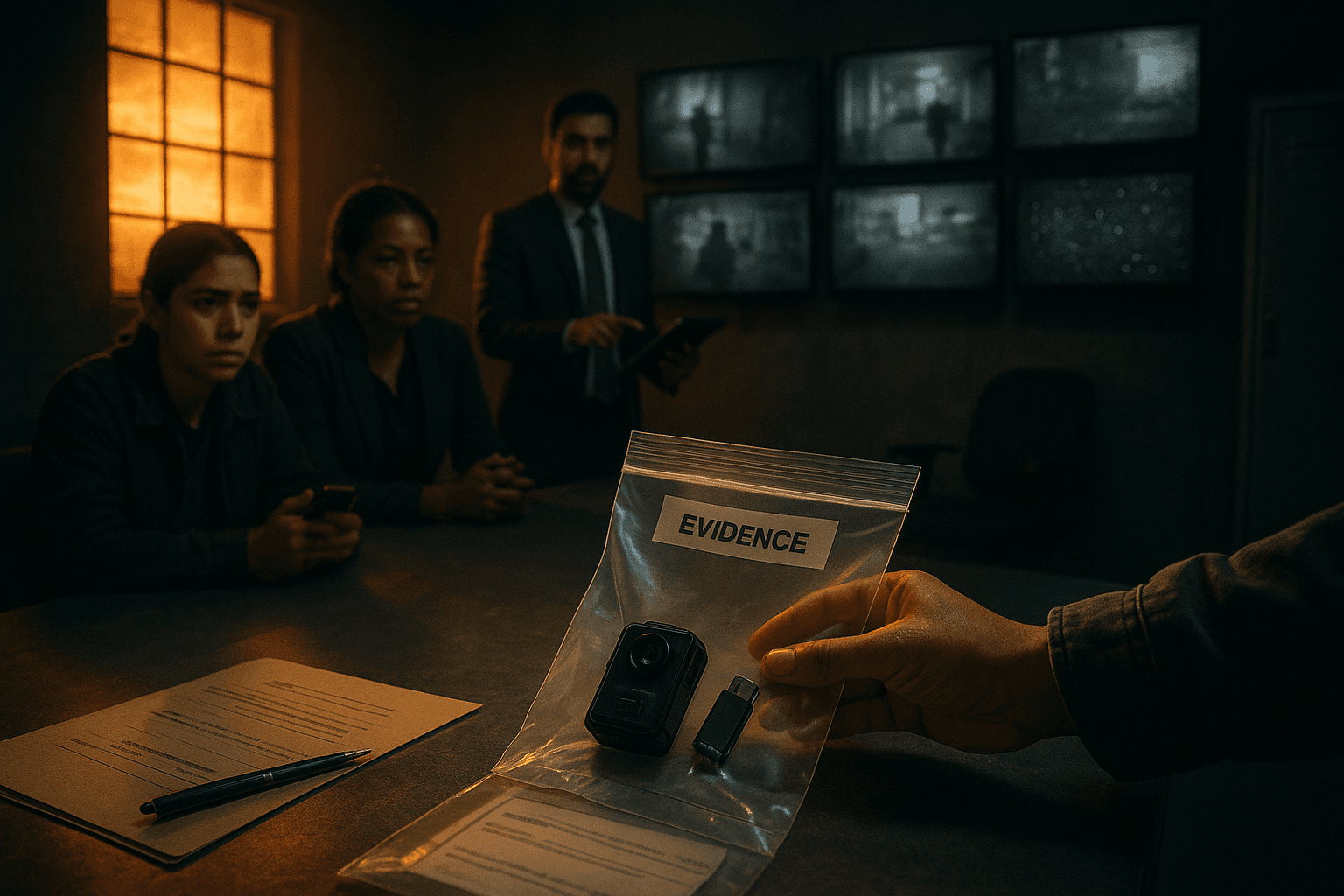
Preserve texts, emails, calendars, collaboration tools, internal chats, HR portal submissions, and badge logs showing where you were and when.
If your employer controls key video, request preservation quickly. This is especially important in stores, hospitals, restaurants, or offices with cameras. Learn how to request and preserve video with our practical guide to accessing workplace surveillance footage.
Screenshots help, but export full message threads when you can. Metadata and timestamps add credibility.
Witnesses and Patterns
Write down names and contact information for any witnesses. Co‑workers, vendors, or clients may have seen or heard key events.
Track patterns, like repeat comments, after‑hours messages, or being scheduled to work alone with a harasser. Patterns support a hostile environment claim.
If the behavior continued despite complaints, that strengthens employer liability in many cases.
Medical and Therapy Records
If you sought care for anxiety, sleep loss, or other symptoms, save those records. They can support emotional distress damages.
Keep a simple symptom diary with dates and impacts on your work and life. This can help your providers and your case.
Share only what’s necessary. Your lawyer can help limit unnecessary disclosures to protect your privacy.
Recording and Surveillance Video
Recording laws vary. Secretly recording can be illegal in some situations. Before you hit record, read our overview of when you can legally record workplace conversations.
If a camera captured misconduct, act fast to preserve it. Ask HR in writing to retain relevant footage, and follow up.
When an employer refuses to provide video, discovery or subpoenas may be needed later. Early legal help can increase the odds that vital footage isn’t overwritten.
Choosing the Right NY Sexual Harassment Lawyer
Specialized plaintiff‑side experience matters in harassment cases. You want counsel who knows New York’s unique standards and remedies, and who has handled employer defenses you’re likely to face.
Ask about recent cases, settlements, trial experience, and how they staff investigations. The right fit combines expertise, bandwidth, and clear communication.
Also consider fee structure and case strategy. A skilled lawyer should explain your options under federal, state, and city law in your first conversation.
Vetting Experience and Fit
Look for track records and published resources that show focus on harassment law. Many New York plaintiff firms share helpful content you can review while you vet counsel.
For example, firms like Schwartz & Perry, the Derek Smith Law Group, Phillips & Associates, Joseph & Norinsberg, and Mizrahi Kroub LLP publish explanations and examples that can help you understand your rights and choices.
Upstate workers may find resources through regional firms such as The Cimino Law Firm in Rochester. Some plaintiff‑side employment practices also emphasize their years of experience handling harassment matters, such as Employment Law Firm PC.
Many tri‑state resources also discuss harassment law in plain English, like the Arce Law Group’s overview of sexual harassment laws. Use materials like these to prepare smart questions for your consultation.
Local NYC Knowledge Matters
NYC’s Human Rights Law offers broader coverage and a lower burden of proof than Title VII. That difference shapes everything from evidence strategy to settlement value.
Local counsel will also know common employer tactics in your industry and how local agencies and courts handle similar cases. That can shorten the learning curve and reduce missteps.
If your case involves both city and upstate workplaces, ask how your lawyer will navigate venue and choice‑of‑law issues to maximize your options.
Where to Search and Verify
Use neutral directories to find and compare New York attorneys. The Super Lawyers listing for New York sexual harassment attorneys is one place to start when building a shortlist.
Next, cross‑check websites, publications, and case summaries, then schedule consultations to compare approaches. Bring a timeline, key documents, and your questions.
You can also study an educational, non‑firm guide focused on New York rights and decisions: see our dedicated NY Sexual Harassment Lawyer resource to understand deadlines, damages, and how to prepare.
Case Path: From Complaint to Lawsuit
Most cases move through similar phases. You can start internally, file with an agency, or proceed to litigation after a right‑to‑sue notice—each route has tradeoffs.
The right path depends on your goals, risk tolerance, and whether you want to try early resolution through mediation.
An attorney can help you map the route that best protects your job, health, and claim value.
Internal Reporting and Safety Plans
Reporting to HR can trigger an investigation and potential remedies. It also creates a record of notice to the employer.
If you need to report, do it in writing and request confidentiality to the extent possible. Continue tracking any changes in assignments, hours, or treatment.
For step‑by‑step reporting guidance, see our practical guide on how to report a hostile work environment.
Agency Filings and Mediation
Many claims start with an agency charge. The EEOC, the NYS Division of Human Rights, and the NYC Commission on Human Rights all accept filings.
Some offer mediation programs that settle cases early. Learn how to file effectively with our walkthrough on filing an EEOC complaint.
If your employer ignored prior complaints, an agency finding can carry weight in later negotiations or litigation.
Settlement Negotiations
Most harassment cases settle. Preparation drives leverage—clean timelines, preserved evidence, and documented damages increase value.
For negotiation frameworks and key clauses to watch, review our guide to discrimination settlement negotiation strategies. Understand tax treatment and planning options with our overview of settlement taxation.
If the employer demands confidentiality, ensure the agreement respects your rights to report unlawful conduct to agencies and law enforcement.
Litigation and Trial Timeline
Litigation includes pleadings, discovery, motions, and trial. Timelines vary by forum and case complexity.
Consider whether arbitration agreements apply to any of your claims. Your lawyer can assess enforceability and strategy.
If settlement fails, trial readiness—credible witnesses, corroborated evidence, and clear damages—becomes your focus. For an end‑to‑end roadmap, see how to sue for sexual harassment.
Damages and Remedies in NY Cases
Damages depend on where you file and the law applied. New York’s city law allows broader remedies in many situations.
You may seek back pay, front pay, compensatory damages for emotional distress, punitive damages (in certain forums), and attorney’s fees. Injunctive relief can force policy changes and training.
The value of a case turns on evidence, employer size, venue, and credibility. A seasoned litigator will explain how these factors interact in New York courts.
NYSHRL and NYCHRL Remedies
NYC’s law is intentionally liberal and remedial. It’s designed to eliminate discrimination in the city, which often translates to more employee‑friendly standards.
The state human rights law protects workers outside the five boroughs and often mirrors NYC’s expansive approach after recent amendments.
Your attorney should evaluate where your claims are strongest and whether to pursue parallel filings to preserve options.
Punitive and Compensatory Damages
Emotional distress damages are common in harassment cases. Medical notes, therapy records, and daily‑life impacts help quantify harm.
Punitive damages punish egregious conduct. Availability and caps vary by law and forum; ask how venue choices influence this part of your claim.
For a plain‑English overview of realistic recovery types in discrimination matters, see what compensation you can expect after a successful case.
Injunctive Relief and Policy Change
Courts and agencies can order training, new policies, or discipline for wrongdoers. This can help protect you and your coworkers going forward.
If you’re still employed, injunctive relief can be as important as money. It can change reporting lines, schedules, or work locations to ensure safety.
Ask your lawyer to include these non‑monetary goals in your strategy from the start.
Confidentiality and NDAs
Many settlements include confidentiality or non‑disparagement clauses. New York and federal law place limits on agreements that chill reporting unlawful conduct.
Know your rights before signing. Our guide on NDAs in sexual harassment cases explains when you can still report to the EEOC or law enforcement and how to challenge overbroad terms.
Ask for carveouts that preserve your legal options and protect your professional future.
Common NYC Workplace Scenarios
Industries and workplace setups in NYC can shape how harassment appears and how you prove it. Each has unique evidence sources and risk patterns.
Your strategy should reflect your workplace—who has power, what systems exist, and where digital traces live.
Here are patterns we see and how to navigate them.
Industries and Risk Patterns
Hospitality and retail often involve customer harassment and camera footage. Finance can involve after‑hours networking, messaging apps, and travel.
Healthcare workplaces rely on scheduling systems, staffing apps, and patient interactions that generate logs and witnesses. Tech and media leave abundant digital trails across collaboration platforms.
If third parties are involved, employers can still be liable for failing to act. See our guide on third‑party sexual harassment employer duties.
Interns, Gig Workers, and Contractors
New York laws protect interns and many non‑traditional workers. Even if you’re paid through an agency or platform, anti‑harassment rights may still apply.
Interns should keep faculty or program contacts updated and preserve assignments and communications. Learn your pay and protection rights in our unpaid internship rights guide.
Gig and platform workers can preserve app communications, GPS data, and customer reports to support claims involving clients or customers.
Remote, Hybrid, and Digital Harassment
Remote tools create records of misconduct—meeting chats, DMs, and screen shares. Save logs, calendar invites, and screenshots with timestamps.
Digital surveillance and AI monitoring are increasingly common. Understand your privacy and monitoring rights with our overview of AI employee monitoring laws and your remote work rights.
If harassment mixes with sexual assault or battery, learn the legal distinctions and evidence needs in our guide to sexual assault vs. sexual battery.
Protecting Against Retaliation
Retaliation can appear as schedule cuts, denied shifts, worse accounts, sudden discipline, or exclusion from meetings. It’s illegal to punish you for reporting.
From the day you complain, create a simple log of changes, who made them, and how they affected your pay or role.
If retaliation escalates, get counsel involved quickly to stop it and preserve damages.
Anti‑Retaliation Rights in NY
Federal, state, and city laws prohibit retaliation for protected complaints and participation in investigations. New York offers strong remedies when retaliation occurs.
If you’re demoted, reassigned, or terminated after reporting, those facts can support separate claims and additional relief.
For practical steps and legal options, see our guide on how a workplace retaliation lawyer can protect your rights.
Documenting and Proving Retaliation
Timing matters. Close timing between your complaint and adverse actions supports causation.
Compare your performance reviews and metrics before and after the report. Save emails, warnings, and meeting notes to show shifting explanations or pretext.
If a performance plan appears out of nowhere, follow our playbook on responding to a PIP to protect your case.
Fees and Consultations in NY
Most harassment cases are handled on contingency, meaning you pay nothing upfront and your lawyer takes a percentage of the recovery.
Ask what percentage applies, how litigation costs are handled, and whether the firm advances expenses. Clarity avoids surprises later.
Use free consultations to compare strategy, not just price. Experience and fit can influence your outcome more than a small fee difference.
Contingency Fees and Costs
Contingency fees typically fall within a range and can vary by case complexity and stage of resolution. Some firms use tiered percentages.
Get the fee agreement in writing and ask for examples of cost categories like filings, transcripts, and experts. Learn the moving parts in our primer on how contingency fees work in discrimination cases.
When you compare firms, look beyond the percentage to case approach, staffing, and communication practices.
Fee‑Shifting and Expenses
Some laws allow prevailing plaintiffs to recover reasonable attorney’s fees from the employer, but fee‑shifting rules vary by forum and claim.
Discuss fee‑shifting strategy with your lawyer as part of forum selection. It can affect leverage and negotiation timing.
To compare fee models and typical ranges, read our guide on attorney fees in discrimination cases.
What to Expect in a Free Consultation
Most firms offer a free case evaluation. You’ll share a timeline, evidence, and goals, and the lawyer will outline options and risks.
Prepare a short chronology and bring your strongest proof. That helps the lawyer quickly assess viability and value.
For preparation tips and a checklist, see how free consultations with workplace discrimination attorneys work and our practical sexual harassment lawyer guide to reporting and rights.
Conclusion
Finding the right ny sexual harassment lawyer starts with understanding New York’s strong protections, preserving your evidence, and acting before deadlines pass. Whether you pursue an internal fix, an agency mediation, or litigation, clear documentation and a local strategy give you the best chance to stop the conduct and recover meaningful relief.
You don’t have to navigate this alone. Use the resources and links throughout this guide to educate yourself, compare counsel, and take confident next steps.
Need help now? Get a free and instant case evaluation by US Employment Lawyers. See if your case qualifies within 30-seconds at https://usemploymentlawyers.com.
FAQ
What does an NY sexual harassment lawyer do?
Your lawyer evaluates claims under Title VII, the NY State Human Rights Law, and the NYC Human Rights Law, explains filing options, preserves evidence, and protects you from retaliation. They manage agency filings, mediation, negotiations, and, if needed, litigation. For a deeper overview of strategy and timelines, see how to sue for sexual harassment.
What are the deadlines to file in NY?
Federal EEOC charges typically must be filed within 300 days in New York, while state and city laws allow longer windows for court filings. Don’t wait—evidence goes stale. Review the detailed breakdown in our guide to real sexual harassment filing deadlines, including New York’s expanded limits.
Do I have to report to HR first?
Often it’s smart to report internally if safe to do so, because it creates a record and gives the employer a chance to act. If the harasser is your supervisor or you fear retaliation, talk to a lawyer about alternatives. Use our step‑by‑step guidance on reporting a hostile work environment to document properly.
Can my employer force arbitration?
Some agreements limit court access, but enforceability can depend on the claim and forum. Your attorney will analyze any arbitration language, recent New York and federal developments, and strategic pros and cons. If arbitration applies, evidence and damages strategy still follow the rules described above.
What if the harasser is a customer or vendor?
Employers can still be liable if they knew or should have known about third‑party harassment and failed to act. Report it promptly and document everything. Learn more about employer responsibilities in our guide to third‑party harassment liability, and protect yourself from backlash with tips in our retaliation resource.